
Updated July 7, 2026
Author: Jill Baker
How to Improve Your Balance –
Balance Awareness Week 2025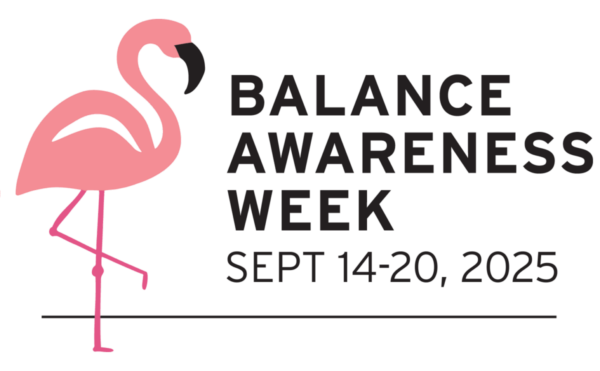
How many people are affected by vestibular disorders?
Adult vestibular disorders are typically under diagnosed and undertreated. An estimated 35.4% of U.S. adults aged 40 years and older (109 million Americans) experience vestibular dysfunction at some point in their lives. From September 14–20, 2025, we shine a spotlight on these often invisible and misunderstood disorders that affect millions of people.
What are the typical symptoms of vestibular disorders?
- Dizziness: a sensation of lightheadedness, faintness, or unsteadiness
- Vertigo: the perception of movement of the self or surrounding objects and has a rotational, spinning component
- Disequilibrium: unsteadiness and imbalance that is often accompanied by spatial disorientation
What Is Balance Awareness Week?
Launched in 1997 by the Vestibular Disorders Association (VeDA), Balance Awareness Week aims to bring visibility to balance disorders that are often hidden from view. These conditions may not be outwardly apparent, but they deeply impact the lives of those affected. While many vestibular disorders are chronic and incurable, knowledge and support can make a world of difference.
Where Can You Get Trained in Vestibular Rehabilitation?
Education Resources, Inc. is proud to offer a range of vestibular rehabilitation courses to support continuing education for physical therapists, occupational therapists, and speech-language pathologists. On-Demand courses include:
Collaborative Dementia Care: Integrating Person-Centered Strategies for Positive Outcomes– $229 – 7 contact hours
Robyn Ligotti, PT, DPT, RAC-CT, CDP, QVP
Skilled services for individuals with dementia require specific intervention and communication approaches. From diagnostic measures through therapeutic interventions, learn how to best support individuals’ safe participation in their lives at home for as long as possible.
Vestibular Rehabilitation: Evaluation and Management of Individuals with Dizziness and Balance Disorders – $329
Richard Clendaniel, PT, Ph.D., FAPTA – 11 Contact Hours
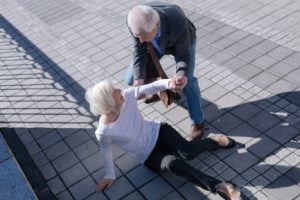
Learn effective, comprehensive, and evidence-based treatment and evaluation of the number one reason individuals over the age of 70 seek medical attention: Dizziness.
 Advanced Vestibular Rehabilitation – $339 – 12.5 Contact Hours
Richard Clendaniel PT, Ph.D, FAPTA
The course will focus on the assessment and treatment of patients with vertigo and dysequilibrium from unusual vestibular causes. The course is designed for clinicians (PT & OT) with prior vestibular rehabilitation course work and clinical experience. Material covered will include advanced techniques for treating anterior and horizontal canal BPPV, central causes of dizziness (including concussion), identification and treatment of cervicogenic dizziness, chronic subjective dizziness, migraine and other unusual vestibular disorders. This series is one course with 7 short video sessions. Each videos session is 1.5-2 hours.
 NEWLY REVISED Management of Persistent Post Concussive Symptoms: What’s the Latest Evidence? – $299 – 9 contact hours
Christina Finn, Ed.D, OTR/L
In this newly revised course, updates from the 6th International Conference on Concussion in Sport will be discussed including Recommendations for Return to Learn and Return to Play. The course provides updates on the latest research related to the diagnosis and management of concussion and persistent post-concussive symptoms, and will focus on the latest relevant and evidence-based assessment and treatment strategies for adults and children with prolonged visual, vestibular and sensory complaints as a result of concussion. *If you have already taken this course in the past via live webinar or on-demand, we do not recommend re-taking it.