
Which Torticollis Course Is Right for Me?

Whether you’re brand new to pediatric torticollis or ready to expand your clinical expertise, choosing the right continuing education pathway can make all the difference. We’ve designed a step‑by‑step learning journey that takes you from foundational knowledge to comprehensive, evidence‑based treatment strategies.

👉 Bonus: Enjoy $50 off any of these courses with our spring coupon SPRING26 at checkout through May 1, 2026. 


TorticollisStart Strong: Build Your Foundations

Torticollis: The Basics – What Every Therapist Needs to Know

💻 On‑demand
🗣️ Anjali Gupta, PT
🎓 5.5 Contact Hours

This on‑demand foundational course is the perfect entry point for therapists who want to confidently assess and treat infants with torticollis. It also serves as a valuable refresher for clinicians who want to ensure their knowledge aligns with best practices.

✅ In this course, you will:

  • Identify different types of torticollis and contributing factors in infants
  • Recognize red flags for differential diagnosis
  • Understand the long‑term implications of untreated or undiagnosed torticollis
  • Apply evidence‑based strategies to promote positive outcomes

🔹 New to torticollis? This is where you should begin.
🔹 Already familiar? Think of this as a high‑quality clinical tune‑up.


infant or child with torticollisExpand Your Perspective: Learn Across Disciplines

Torticollis – Beyond the Basics: Improving Postural Alignment, Motor Skills, and Feeding Outcomes Through a Multi‑Disciplinary Lens

💥 Brand‑new on‑demand release now available!

📅 Live Webinar: November 7–8, 2026
💻 On‑demand option available
🗣️ Anais Villaluna, SLPD, CCC‑SLP, BCS‑S, CLC
      Dana Kizer, MS, OTR/L, BCP, NTMTC, CLC
      Trisha Thorne, PT, DPT, PCS, c/NDT, CNT, NTMCT

This interdisciplinary course invites therapists to problem‑solve across professions, making it an excellent choice for B‑3 providers and clinicians who wear many hats.

✅ You’ll explore how torticollis impacts:

  • Developmental milestones
  • Postural alignment
  • Fine and gross motor development
  • Feeding and swallowing skills

By strengthening your multidisciplinary lens, you’ll expand your ability to support motor, feeding, and functional outcomes for babies and toddlers—while enhancing collaboration with other providers.


baby with torticollisMaster the Skills: Seal the Deal on Clinical Competence

Torticollis: Comprehensive Strategies for Assessment and Interventions

📅 Live Webinars: April 25 or May 4, 2026 (registration ends soon!)
💻 Also available on‑demand
🗣️ Anjali Gupta, PT
🎓 15 Contact Hours

Completely revamped and updated, this comprehensive course reflects the latest evidence‑based treatment strategies. Originally taught by Cindy Miles, PT, this new version delivers expanded content, hands‑on labs, and in‑depth clinical application.

✅ Updated topics include:

  • Advanced assessment strategies, including tethered oral tissues (TOTS)
  • The relationship between the feet and torticollis
  • Innovative intervention strategies with hands‑on labs and video demonstrations covering:
    • Manual stretching and alignment
    • Scar tissue and fascial correction
    • ROM and strengthening
    • Vision and vestibular interventions

✨ Whether you’re just getting started or ready to deepen your expertise, this course helps solidify your confidence and clinical reasoning in pediatric torticollis care.


Your Learning Path, Your Way

These courses offer a clear pathway for professional growth—from foundational understanding to interdisciplinary collaboration and advanced clinical mastery.

👉 Save $50 with code SPRING26 by May 1, 2026 and start building your learning journey today!

Questions?
Contact our office at info@educationresourcesinc.com or call 800‑487‑6530 to speak with a helpful team member.

The Whole Swallow: Why Pediatric Feeding and Dysphagia Care Can’t Exist in a Silo

Amanda AdsettWritten by Amanda Adsett, MSc, R.SLP, S-LP(C)

Think back to your graduate training. Most of us learned the classic framework of the oral and pharyngeal phases of swallowing. But what happened once the bolus passed the upper esophageal sphincter?

For many of us, that area remained a gray zone and a separate territory left entirely to gastroenterology. Through clinical experience, however, we quickly learn that this siloed view fails the children we treat. Swallowing is not a set of isolated phases. It is a continuous, multiphase, and deeply interconnected physiologic process.

In pediatric feeding and dysphagia practice, ignoring the esophagus leaves a critical blind spot. A disruption in the distal phase of the swallow can alter the pressure, clearance, and safety of the proximal phase. In pediatrics, the picture becomes even more complex as children can’t always describe what they feel. Instead, swallowing issues may disguise themselves as feeding challenges such as food refusal, prolonged mealtimes, texture aversions, or shifts in behavior around eating. These patterns change and evolve alongside the child’s growth and development, making the clinical picture even more nuanced.

When Knowledge Gaps Affect Care

In an excellent ASHA Leader article, dysphagia experts James Coyle, Liza Blumenfeld, and Lisa Evangelista emphasized that clinical growth depends on acknowledging what we don’t know. They describe harm by omission as the unintended consequences that occur simply because of gaps in our knowledge. When we don’t fully grasp the interdependence of the aerodigestive tract, we may target a feeding behavior or a pharyngeal symptom with a specific therapeutic strategy, completely unaware that we are working against an underlying gastrointestinal or motility issue.


As feeding therapists and dysphagia clinicians, we are uniquely positioned to prevent that harm. We observe feeding and swallowing in real time. We integrate complex medical histories and listen to caregiver concerns to put the puzzle pieces together. Working alongside physicians and the broader medical team, we help inform when feeding presentations may warrant further medical evaluation.

Filling the Gap

This gap in our esophageal knowledge is exactly what Beyond the Oropharynx: Integrating Esophageal Knowledge into Pediatric Feeding Practice, a new course available through Education Resources, was designed to address. It provides foundational knowledge of the esophagus and commonly encountered conditions, along with strategies for recognizing symptom patterns and knowing when and how to refer. The course also covers evidence-informed therapeutic interventions and guidance on contributing within multidisciplinary care teams.

Staying Curious for the Children We Serve

We owe it to our patients and their families to maximize our clinical knowledge and approach their care with intellectual curiosity. To borrow from the wisdom of Coyle, Blumenfeld, and Evangelista, let’s stay hungry, enthusiastic, and humble as we continue to learn and advance the care we provide.

Upcoming Live Webinar Dates
Beyond the Oropharynx: Integrating Esophageal Knowledge into Pediatric Feeding Practice

June 11-12, 2026

September 17-18, 2026

November 19-20, 2026

Sources:

Evangelista, L., Blumenfeld, L., & Coyle, J. (2022, March 9). How do we cultivate critical thinking in dysphagia decision‑making? The ASHA LeaderLive. https://leader.pubs.asha.org/do/10.1044/leader.FTR1.27032022.36/full/

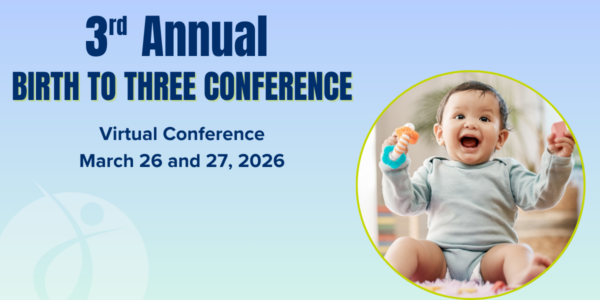
3rd Annual Birth to Three Conference in the Books!

Celebrating the Success of Our 3rd Annual Birth to Three Conference

Wow…what an incredible event! Our 3rd Annual Birth to Three Conference recently wrapped up, and it’s safe to say it was a huge success! With more than 400 passionate therapists joining us from across the country and beyond, this year’s conference truly highlighted the power of learning, connection, and collaboration within the birth to three community. This year we had therapists represented from 38 states, India, Pakistan and 5 different Canadian provinces. 

Designed to bring together occupational therapists, physical therapists, speech-language pathologists, and other early childhood professionals, the conference focused on advancing care and education for children from birth to age three. Over the course of two dynamic days, attendees experienced meaningful “aha” moments, gained actionable strategies, and left with practical tools they could apply in their work immediately. The variety and depth of sessions kept participants energized, engaged, and eager for more.


Connecting Beyond the Screen: Engagement in a Virtual Space

Although the conference was held virtually, the level of connection and interaction proved that meaningful networking doesn’t have to happen in person. Our event platform, Whova, served as a vibrant hub for communication and collaboration before, during, and after the conference.

Through Whova, attendees were able to:

  • Network with like-minded therapists
  • Suggest and join meetups
  • Share resources and clinical insights
  • Engage directly with speakers
  • Participate in fun gamification activities for a chance to win exciting prizes

Throughout the two days, the platform was buzzing with conversation and excitement. Therapists connected across disciplines and time zones, fostering a true sense of community that extended far beyond the sessions themselves. Watching these connections form was one of the most rewarding aspects of the conference and a testament to the enthusiasm of the birth to three therapy community.


Gratitude for Our Partners and Sponsors

Events like this are only possible through collaboration, and we are deeply grateful to our Facility Partners who helped spread the word and supported their therapists in attending. Their commitment to professional growth and excellence in early intervention plays a critical role in advancing the field. A big thank you to: 

We also want to extend a heartfelt thank you to our Sponsors, who generously donated products for prizes and giveaways throughout the conference. These companies create valuable tools that support OT, PT, and SLP practice, and our prize winners were thrilled to bring these resources back into their clinical work. A big thank you to: 


A Stellar Speaker Lineup

With 13 diverse session topics spanning the birth to three continuum, therapists were able to personalize their learning experience while earning CEUs. Our exceptional speakers delivered inspiring, evidence-based presentations filled with practical strategies to support children and families.

Esteemed presenters such as Mr. Chazz, Mary Massery, Rachel Madel, Theresa May-Benson and Aymen Balikci, Anne Buckley Reen, Anais Villaluna and Dr. Andrew Chu, Amanda Hall, Kristin Fuller and Tara DeWolfe, among others, brought both depth and energy to their sessions. Their expertise, engaging presentation styles, and passion for early intervention left attendees motivated and eager to continue learning long after the conference ended.

Plus, we were thrilled to have Bethany Sloane of Go Baby Go join us for a special lunch session. Go Baby Go is a community-based outreach program that works with families, clinicians and industries to provide pediatric adaptive equipment to children with disabilities for mobility, participation, fun, and socialization. They support kids through innovative, cost-effective and inclusive solutions. Bethany was able to share the amazing work their doing as well as DIY ideas for creating your own tools and toys for your little ones. 


A Heartfelt Thank You and Look Ahead

The ERI Birth to Three Conference 2026 was truly one for the books. From the enthusiasm of our attendees to the expertise of our speakers, the diversity of sessions, and the strong sense of connection throughout the event, we created an enriching environment focused on learning and collaboration.

The high levels of engagement and satisfaction reaffirm our mission to support therapists who serve our youngest learners and their families. We are incredibly proud of what this community continues to build together. 99% of therapists said they would return next year and 100% of therapists said they learned a new skill to bring back to practice. 

And we’re already looking ahead! Mark your calendars for April 1 and 2, 2027 for next year’s virtual Birth to Three Conference.

How to Document Co-Treatments in IEPs

School-based therapists often see powerful outcomes when they collaborate across disciplines—whether that’s PTs and SLPs, OTs and SLPs, or PTs and OTs working together. Co-treatment and overlapping services can promote functional carryover, support participation, and help students achieve meaningful goals.

However, successful collaboration requires careful attention to documentation, reimbursement, communication, and logistics. This blog walks through the key considerations for documenting co-treatments accurately and effectively within the IEP framework.

Documenting on the IEP Services Page

The IEP Services Page is where each related service provider documents:

  • Frequency
  • Duration
  • Location

Depending on state regulations and district guidelines, you may also be required to specify:

  • Individual vs. group service delivery
  • Consultative vs. direct services

When documenting services, remember to always consider and select the Least Restrictive Environment (LRE) appropriate for the student.

Daily Notes, Service Logs, and Treatment Documentation

Documentation requirements vary by state and district—not only in what must be recorded, but even in what the documentation is called. You may hear these referred to as:

  • Service logs
  • Daily notes
  • Treatment notes
  • Contact notes
  • Data sheets

Regardless of the name, these records should clearly reflect:

  • Dates and times of service
  • Type of service provided
  • Interventions delivered
  • Progress toward IEP goals

Remember the golden rule of documentation: If it’s not documented, it didn’t happen.

Also, ensure that progress toward therapy-supported IEP goals is reflected consistently in progress reports.

Medicaid Reimbursement and Documentation Guidelines

In many states and districts, therapy services provided in schools may be eligible for Medicaid reimbursement. When this applies, therapists must follow very specific documentation requirements related to:

  • Dates and times of service
  • Interventions provided
  • Student progress toward goals
  • Individual vs. group sessions
  • Co-treatment sessions across disciplines

Some Medicaid guidelines also distinguish which goals or interventions are considered reimbursable. Understanding these rules is essential—not only for compliance, but because Medicaid reimbursement is a critical funding source for many school therapy programs.

Explaining Co-Treatment to Teachers and Parents

Clear communication is key when discussing overlapping or shared services with teachers and families. Consider these best practices:

  • Use a collaborative, team-based approach
  • Keep the conversation centered on the student’s strengths, needs, and goals
  • Be open to questions or concerns about combined services

Remember that co-treatment may also be reflected through:

  • Supports, aids, and accommodations provided for or on behalf of the student
  • Consultation between OT, PT, SLP, and teaching staff

Logistics: Making Co-Treatment Work

Scheduling, space, and staffing can present real-world challenges. Below is a sample scenario shared by guest blogger and Physical Therapist Kathryn Biel, DPT, demonstrating how co-treatment can be documented appropriately:

Example Scenario:

  • The student participates in a PT/SLP co-treatment once per week for one hour on Mondays.
  • PT also sees the student individually once per week on Wednesdays.
  • SLP provides two additional individual sessions on Tuesdays and Thursdays.

Documentation and billing on Monday:

  • PT documents and bills for a 30-minute individual session (10:00–10:30)
  • SLP documents and bills for a 30-minute individual session (10:30–11:00)

IEP Services Page reflects:

  • PT: 2x/week, individual, 30 minutes
  • SLP: 3x/week, individual, 30 minutes

*Note: “Individual” refers to whether the student is seen alone or within a group of students—not whether another provider is present.

Conclusion

Much like their students, school-based related service providers navigate many rules, expectations, and systems. When therapists collaborate across disciplines, the benefits extend to everyone—especially the students.

By carefully accounting for documentation standards, Medicaid requirements, communication strategies, and logistical planning, school therapists can earn an Honor Roll in collaboration, compliance, and, most importantly, positive student outcomes.

Looking for school-based therapy continuing education?

Explore our extensive course catalog and join us at our annual Therapies in the School Conference to deepen your skills and stay current with best practices.

Save $50 On Your Next ERI Course

Spring Has Sprung!

To celebrate, we’re offering a limited-time $50 off coupon on any ERI course valued at $189+. This offer is valid through May 1, 2026. Cannot be combined with other offers or bundles. 

spring coupon $50 off ERI course


Brand New Courses

With so many new courses planned for this spring, you won’t want to miss taking advantage of these savings. Check out our live webinars, on-demand recordings or in-person courses for physical therapists, occupational therapists and speech language pathologists. 

Here’s a peak at some of our brand new courses you’ll want to explore: 


Topics Just For You

In addition to our brand new courses, we have a robust lineup of continuing education courses that span across specialties: 


Don’t Wait — Act Today

See for yourself why our therapists keep coming back to ERI time and again. Our courses are in-depth, comprehensive and delivered by experts in the field. Plus, when you continue your learning with us, take advantage of early bird prices, loyalty rewards (take $100 your 4th course!) and special offers throughout the year. 

Questions? Contact our office at info@educationresourcesinc.com or call 800-487-6530 to speak with a helpful team member.