Sensory Processing Development Tips –
Share with Families, Teachers and Colleagues
Occupational Therapy practitioners’ training in neuroscience, psychology, motor development, and more lays the foundation for their clinical practice in sensory integration assessment and intervention. While you may see OTs using sensory bins filled with sand or dried beans, silly-shaped straws for drinking or bubble blowing, animal walk movements, yoga poses and obstacle courses, do you know the why and how behind these sensory-motor strategies for your child or student’s healthy development?
We know that the main senses work together to take in the sights, sounds, smells, textures, and tastes of our day-to-day experiences. We also know that we sense movement qualities, balance and equilibrium and even the internal bodily sensations that alert us to hunger, thirst and toileting needs, also know as interoception. Integrating or piecing all of this sensory information together effectively and accurately helps us do the activities that are important to us, get along with others, feel well and healthy and more. When sensory information isn’t interpreted accurately or smoothly, it impacts our integration and ability to show up how we want and need to in our daily lives.
Building sensory awareness is an early part of the sensory integration puzzle. So, using strategies that strengthen awareness of the senses is vital to sensory integration development, particularly for children with sensory differences.
Read on for more information on sensory integration development and its importance for children’s well-being. Explore some familiar and other less well-known strategies that pediatric occupational therapists use and recommend that support kids with sensory processing differences from early childhood through young adulthood.
What Are Sensory Processing Differences?
Sensory stimuli is received through the various receptors in our body, taking in what we see, hear, touch, taste, and smell. Other receptors specialize in our body and head position, muscle activation and length, digestive functions and body temperature. All of these senses transmit their signals to the nervous system, which in turn, forms behavioral, communicative and/or motor responses.
Sensory processing differences may occur at the point of sensory reception, sensory signal transmission or integration of sensory input to form that behavioral, communicative or motor response. Differences can take many forms, including heightened intensity of responses to individual or multiple types of stimuli; dampened response to stimuli; preferences or aversions to stimuli that challenge participation in daily activities or environments.
Individuals may or may not have formal diagnoses that accompany, although sensory processing differences are typically experienced by neurodivergent individuals.
Sensory Development Strategies
Pediatric occupational therapists in a variety of settings, from in-home to schools to clinic or community centers, are experts in supporting sensory processing differences for clients throughout childhood. They do this with a combination of skill building, accommodating and modifying or adapting the environment or the person’s immediate surroundings. Below you’ll learn more about how some of the strategies you’ve seen before work for kids with sensory processing differences, and you’re likely to learn a couple of new strategies that may help.
Auditory Sensation
Auditory stimuli can be experienced differently by those with sensory processing difficulties. Common or even familiar sounds can be heightened and experienced as painful, intense, over-stimulating, distracting or aversive. Conversely, sounds may be difficult to identify or register accurately, even when the child’s hearing is within normal limits. Common strategies that both accommodate auditory sensory differences and support participation in daily activities include noise-canceling headphones, visual cues or aids, quiet time breaks, background music or white noise. Building awareness of preferences, aversions and needs when it comes to auditory sensations can be a useful tool to help kids get along and participate at home, school and in the community.
Olfactory- Following your nose to sensory development and integration.
Here are some activities pediatric occupational therapists have shared to build awareness of olfactory sensations and accommodate for differences in responsiveness:
- Building Awareness: Explore scented markers, flowers and essential oils.
- Accommodate hypersensitivities by removing aversive smells from the environment.
- Teach self-advocacy as a response to aversive odors
Oral Motor Skill Development
When it comes to sensory development, the mouth is filled with sensory receptors for flavor, taste, texture, feel, pressure and muscle force for eating, drinking and chewing. Children with sensory differences can experience myriad difficulties at mealtimes. Often times, an occupational therapist or speech language pathologist with expertise in feeding and swallowing can pinpoint potential sensory differences impacting the child. They may recommend oral motor strategies to build skills:
- Chewable jewelry: Chewable jewelry can be self-regulating from a sensory standpoint. This added input to the mouth can improve focus while also strengthening oral motor skills.
- Whistle games: Playing with noise makers and whistles is a fun way for kids to explore oral motor skills with immediate auditory feedback. You can even pair noise cancelling headphones with whistle games for you or the child!
Tactile Skill Building
Children with tactile development difficulties may find certain textures unsettling or deep pressure on their skin calming. Some might avoid touch altogether, while others may fidget or seek to touch everything. Activities to consider for building awareness of tactile stimuli and accommodating differences include:
- Explore textured materials: Use sensory bins to introduce children with tactile seeking or defensiveness to different textures. This activity can be calming for kids with high responsivity and provoke the curiosity and engagement for kids with low responsivity.
- Deep pressure applications: Use lap pads or weighted blankets to offer deep pressure stimuli as calming input for your child.
Visual Sensory Development
Vision is a complex system that influences every other sense. Visual skills such as accommodation and eye tracking are essential for children with sight-related sensory difficulties. Some kids with visual development difficulties find bright light and different colors distressing or too intense. Accommodations for visual sensory differences can include adding, removing or changing the visual stimuli in the child’s surroundings. Skill building can improve sustained visual focus, visual processing of stimuli, and eye muscle control.
Vestibular Development
Different movement patterns, directions and speeds can have a strong impact on a child’s sensory integration and ability to form a behavioral or motor response that meets their needs in a given environment. Building vestibular skills can include balance activities, changing body positions, climbing, swinging, rocking and more.
Remember Your Why With ERI
You chose this therapy career for a reason and we at ERI celebrate your commitment to ongoing learning, professional development and continuing education. At Education Resources Inc. (ERI), we have dedicated over 30 years to providing timely and evidence-based continuing education for therapists by therapists. We offer relevant and practice-ready learning that you can implement as soon as the course wraps up and with the next client on your schedule.
To meet the needs of all types of learnings, our Continuing Education courses are available as Live Webinars where you are face to face with the instructor and fellow course mates, as On Demand videos complete with the course handout and playback controls to pause, rewind, and rewatch when needed. We can even work with you and your facility to join you in-person for the ultimate group learning experience alongside your colleagues. Contact our friendly office staff to arrange group discounts, on-site courses or with any questions about our course catalogue.
We’d love for you to join our annual conferences in School-Based and Birth to 3 Practice with a multidisciplinary cohort of clinicians who are as eager as you for the most up to date topics, evidence-based practice, and dynamic speakers who are sure to leave you energized and remembering why you love what you do.

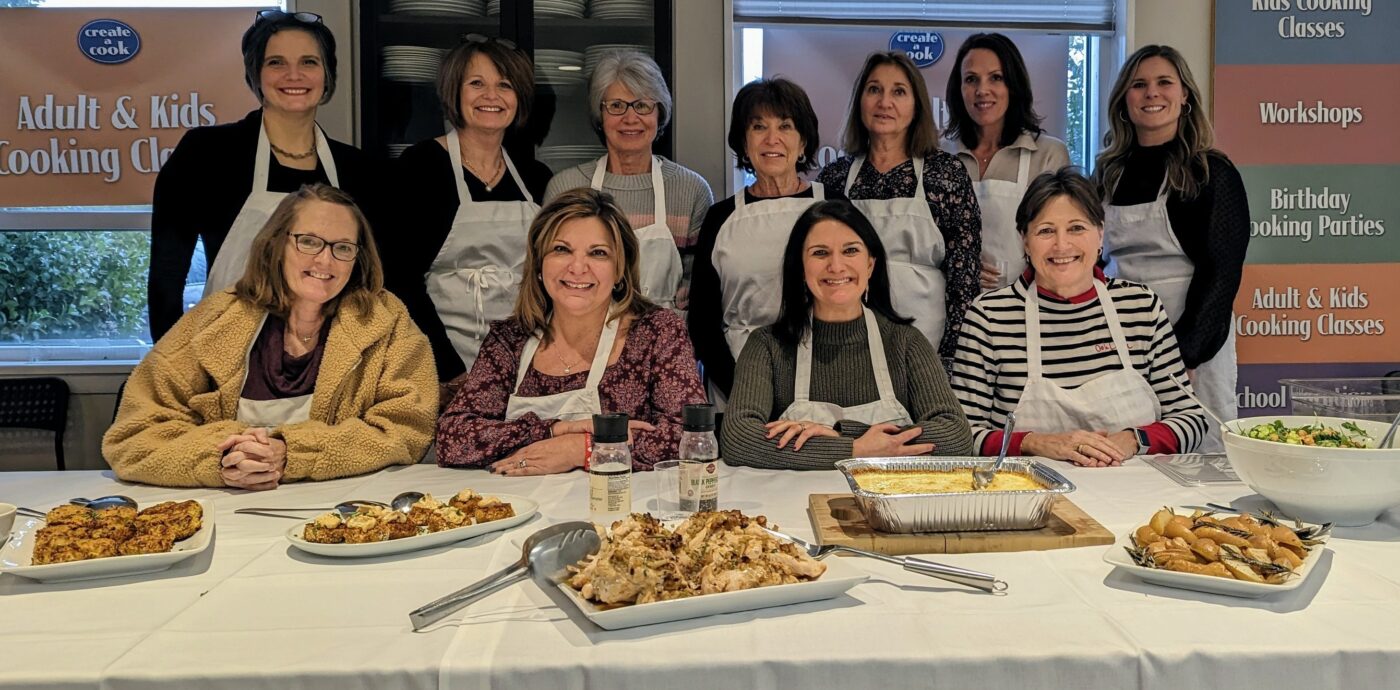 Our company was founded by two working parents, so flexibility around schedules and timing has been built in from the start. Team members make the most of their work time by enjoying flexibility in work schedules to minimize long commute times or missed family events. Workplace flexibility means that remote work is not only possible but valued when it supports employees’ wellbeing.
 With much of our work at the desktop on screen(s), we make efforts to move our bodies whenever reasonably possible. Adjustable standing desks and yoga mats are a couple of our favorite pieces of equipment, but that’s not the only way to move. Some of us are known to journey up two flights of stairs for the restroom, rather than using the facilities directly outside our office. Walking meetings are welcomed back as the weather cooperates and even a quick stroll around our business complex is encouraged as a fresh air movement break. According to one employee, the only thing missing in the physical equipment department is a pull-up bar for some stretching, strengthening and regulating heavy work (hint, hint!).